Hi, my name is
Joseph Black.
I build digital learning experiences and dig into cybersecurity.
I'm an instructional systems designer with a background in military service and adult education. I recently completed a M.S. in Cybersecurity Technology and am working toward a D.Sc. in Cybersecurity at Marymount University.
01.About
Hello! My name is Joseph. I specialize in instructional design and cybersecurity, two disciplines that have always been complementary for me.
My background includes military service as a Combat Medic, followed by over a decade in adult education. Today I work as an instructional systems specialist, building e-learning content and training programs.
I recently completed a M.S. in Cybersecurity Technology (4.0 GPA) and am pursuing a D.Sc. in Cybersecurity at Marymount University, with a focus on applied research, enterprise risk management, and governance.
Outside of work I'm interested in leadership, philosophy, and research, areas that continue to shape how I approach both training design and technical problem-solving.
Here are a few tools and technologies I've been working with recently:
- ▹Python
- ▹Java
- ▹JavaScript / Node.js
- ▹SAP SuccessFactors
- ▹Lectora (SCORM 1.2)
- ▹Nmap
- ▹Wireshark
- ▹Metasploit
- ▹Nessus
- ▹Kali Linux
- ▹Autopsy
- ▹FTK Imager
- ▹Volatility
- ▹Burp Suite
- ▹CyberChef
- ▹Ghidra

02.Experience
Instructional Systems Specialist @ Federal Bureau of Prisons
Aug 2023 – Present
- Design and deliver e-learning content and instructor-led training for national correctional programs under the Federal Bureau of Prisons.
- Integrate SCORM-compliant content into the agency's LMS (SAP SuccessFactors), ensuring ADA accessibility and cybersecurity standards are met.
- Develop multimedia and animation for training delivery using tools like Adobe Creative Cloud, Lectora, and JavaScript-based frameworks.
- Collaborate with subject matter experts and national policy stakeholders to modernize federal training initiatives and reduce reliance on print media.
Employee Development Manager @ Federal Bureau of Prisons
Nov 2020 – Aug 2023
- Oversaw training programs and compliance for all departments in a medium-security federal correctional facility.
- Managed the institution's onboarding and annual training cycles, ensuring adherence to BOP policy and national standards.
- Led training needs assessments, coordinated cross-departmental development plans, and ensured timely certification renewals.
- Supervised training staff and served as the institutional liaison for HRST (Human Resource & Staff Training) audits and regional training compliance reviews.
Teacher @ Federal Bureau of Prisons
July 2014 – November 2020
- Provided adult education and vocational instruction to incarcerated individuals in a correctional setting.
- Delivered instruction in literacy, GED preparation, and career readiness using evidence-based practices.
- Developed individual education plans (IEPs) and performed ongoing assessments to track student progress.
- Collaborated with case managers and correctional staff to ensure integration of educational goals with reentry planning.
- Maintained compliance with federal correctional education standards and participated in cross-disciplinary initiatives within the institution.
Combat Medic @ United States Army
July 2002 – December 2009
- Served in both active duty and deployment roles as a Combat Medic, including two tours in Iraq and multiple stateside and overseas assignments.
- Instructed Advanced First Aid (Combat Lifesaver) courses for up to 30 personnel per session, covering trauma response, IV initiation, evacuation protocols, and tourniquet use.
- Supported large-scale training operations and special events with medical planning, coverage, and after-action assessments.
- Provided medical care to U.S. personnel, coalition partners, and detainees; assisted physicians and managed clinic operations in high-tempo environments.
- Maintained readiness across occupational health, preventive medicine, and emergency response functions for communities of 20,000+ personnel.
- Managed medical logistics and supply chain support in garrison and combat settings, ensuring compliance with regulatory standards and continuity of care.
- Supported administrative duties, including training documentation, memo preparation, record screening, and appointment coordination.
- Awarded two Army Commendation Medals, Army Achievement Medal, Iraq Campaign Medal w/ bronze star, and multiple other service honors.
03.Education
D.Sc. Cybersecurity @ Marymount University
May 2026 - May 2029
- Pursuing the Doctor of Science (D.Sc.) in Cybersecurity at Marymount University, an applied research doctorate covering threat intelligence, enterprise risk management, cybersecurity policy, and machine learning applications in security, with additional focus on infrastructure protection across critical sectors.
- Student member of ISACA (Information Systems Audit and Control Association).
Click to view completed and upcoming coursework
IT 850 Dissertation and Oral Defense Designs
This course is the culminating experience of the doctoral research experience. The purpose of the course is to successfully prepare the written dissertation based on previous original applied research and to present its oral defense.
IT 840 Applied Research: Dissertation Data Collection and Analysis
During this course the doctoral student will collect and analyze data to further the dissertation research developed in previous courses. The purpose of this course is to complete an original piece of applied research which will contribute to the development of the cybersecurity field. At the end of the course, the doctoral student must have completed the analysis phase of the dissertation and be ready to complete the writing process.
IT 830 Applied Research: the Dissertation Proposal
In this course, doctoral students will develop the documentation for approval of their research topic and overall research plan, obtain approval from their advisor, and submit their dissertation proposal for approval by the Faculty Dissertation Committee. Students will evaluate which type of IRB submission is appropriate and prepare the material for its timely submission. The student will also be guided in a professional literature review on their chosen topic and develop a clear understanding of past work in their field.
IT 820 Applied Research: Qualitative and Quantitative Research
In this course, doctoral students will be exposed to the overall research design process through the analysis of knowledge claims, strategies of inquiry, and the development phases of the research project. The course examines how to consider external factors and how they are applied to the quantitative, qualitative, and mixed methods research methodologies. In addition, this course will provide the student with an introduction to questionnaire design.
IT 810 Applied Research Topics and Methods in Cybersecurity
In this course, doctoral students will begin to develop the applied research concept in the cybersecurity field. Students examine the state of cybersecurity research and the roadmaps established at the national and international levels. It is designed to provide an increased understanding of the philosophy of science and the nature of scientific thinking. The doctoral students identify researchable topics, the use of existing knowledge to act as a basis for the research project, and the use of information systems to support the identification of known information and data. The course prepares students to be cybersecurity leaders who are able to use applied research to refine and improve cybersecurity practices through evidence-based techniques.
IT 800 Beginning Applied Research in Cybersecurity
This course prepares doctoral students for the applied research process in the cybersecurity field. Students review APA guidelines and look at the special requirements for academic writing. They start thinking of issues in the field that could benefit from additional research, and they begin to examine the literature research and writing process to develop these ideas into potential dissertation topics. Students also analyze past work and consider ethical issues that might occur during the conduct of cybersecurity research.
IT 757 Cyber Threat Intelligence
This doctoral-level course covers the cyber threat intelligence landscape, including tactical, operational, and strategic dimensions. It includes open source intelligence techniques and social media intelligence techniques as well as mobile app intelligence-gathering techniques. Investigational strategies, such as counter intelligence methods and attribution, are also discussed.
IT 755 Global and National Cybersecurity Policy
This doctoral course explores global and national cybersecurity policy, examining the laws, regulations, and policies that have the potential to enhance national security and foster innovation in cybersecurity and technology. Featured guest lecturers will discuss current topics, with attention to national and international efforts. Students will have the opportunity to submit (and potentially publish) in the Journal of National Science Policy and Governance.
IT 747 Cybersecurity in the Systems Life Cycle
This doctoral-level course integrates cybersecurity concepts, principles, tools, and techniques into the system life cycle, including acquisition and purchasing of technology, security requirements definition during requirements analysis, secure software coding practices, auditing processes for production systems, cyber insurance considerations, and communication security issues with upper management and the board.
IT 745 Machine Learning in Cybersecurity
This doctoral course explores machine learning models and algorithms for today's business world and in cybersecurity in particular. The course focuses on both understanding the theory of machine learning approaches, and their reliance on trustworthy and unbiased data. Doctoral students will be expected to research the emerging role of machine learning and artificial intelligence in cybersecurity, predict its impact in cybersecurity globally, and develop an application. Topics include supervised, unsupervised, and deep learning, fundamental algorithms such as linear regression, decision tree learning, classification and support vector machines, and researching applications for these techniques. Students research and discuss how machine learning and natural language processing (NLP) are used in cybersecurity, both for attack by adversaries and defense by government and industry.
IT 737 Securing the Evolving Technology Infrastructure
This doctoral-level course examines the cybersecurity challenges of the constantly changing computing infrastructure with its increasing reliance on the Internet and the rise of additional threats posed by cloud computing, mobile computing, integration of the Internet of Things, automated industrial control systems, use of hardware built in other countries, and the risk of other critical infrastructures. This course examines the cybersecurity challenges of interrelated systems across the global landscape and the different techniques used to protect computers and data, with particular emphasis on sectors such as transportation, utilities, health care, financial services, and manufacturing.
IT 727 Managing Cybersecurity Risk
This doctoral-level course covers all aspects of the management of the risk of cyber attack and covers the foundations for the thoughtful and purposeful development of cyber defense strategies in any organization. In general, there are too many threats and potential vulnerabilities but not enough money and resources to protect all the digital assets in organizations, particularly those connected to the Internet. This courses covers the strategic decision-making process, including formal methodologies, as to which assets to defend and why.
M.S. Cybersecurity Technology @ University of Maryland Global Campus
August 2025 – May 2026
- Completed coursework with a 4.0 GPA, recognized on the President's List. Degree confers May 2026.
- Curriculum emphasizes cybersecurity management, digital forensics, governance, and enterprise risk.
- Inducted into the SALUTE Veterans National Honor Society - Gold Tier, representing academic achievement at the graduate level.
Click to view completed coursework
CTCH 690 Cybersecurity Capstone
View Syllabus
A comprehensive evaluation of issues in cybersecurity technology. Topics include enterprise risk management, vulnerability assessment, threat analysis, crisis management, security architecture, security models, security policy development and implementation, security compliance, information privacy, identity management, incident response, disaster recovery, and business continuity planning, particularly in the health, banking, and finance sectors.
CTCH 685 Software Security
View Syllabus
Topics include buffer overflows, SQL injection, and session hijacking. Focus is on developing defensive methodologies, including the use of advanced testing and program analysis techniques, to prevent or mitigate these attacks.
CTCH 665 Digital Forensics and Incident Response
View Syllabus
Topics include procedures for securing and validating evidence, including digital media and physical memory, and for recovering artifacts and analyzing, reporting, and presenting results in both criminal and civil situations. Experience with mobile forensic analysis is provided.
CTCH 655 Cybersecurity Auditing and Monitoring Systems
View Syllabus
A detailed exploration of the tools and technologies commonly used in forensic examinations best practices. Topics include procedures for securing and validating evidence, including digital media and physical memory, and for recovering artifacts and analyzing, reporting, and presenting results in both criminal and civil situations. Experience with mobile forensic analysis is provided.
CTCH 645 Cybersecurity Exploitation
View Syllabus
A comprehensive study of the cyber exploitation methodologies. The objective is to identify the latest tools, techniques, and ethical hacking practices. Emphasis is on applying state-of-the-art tools and technologies in a lab-intensive environment that provides hands-on, real-world experience.
CYOP 635 Computing and Mathematics for Cyber Operations
View Syllabus
A hands-on, practical study of the computing and mathematical concepts that support the technical aspects of cybersecurity. The objective is to demonstrate the practical skills and abilities needed to solve difficult problems in cybersecurity and systems programming, address advanced cybersecurity challenges, and contribute to the secure development and maintenance of complex computing environments. Topics include low-level programming languages, operating system theory, discrete math, and algorithms, and applied cryptography.
CTCH 635 Cybersecurity Attack Prevention
View Syllabus
A comprehensive study of targeted cyberattacks, including advanced persistent threats. The aim is to plan and prepare for, respond to, and recover from targeted cyberattacks. Focus is on the phases of targeted cyberattacks and methods used by attackers during each phase. Topics include cyberattack prevention, mitigation, and response.
CTCH 625 Cybersecurity for Systems and Networks
View Syllabus
A study of key security issues and procedures in systems and networks. The objective is to identify security issues within LANs, WANs, and network operating systems; identify system threats and network infrastructure design weaknesses; determine security flaws in the network infrastructure protocols; and explain the security of data at rest in systems. Topics include modern systems and network hardening tools, techniques, and practices.
CTCH 615 Cybersecurity Threats and Analysis
View Syllabus
An introduction to tools and tactics to manage cybersecurity threats, identify various types of common threats, analyze organizational exposure to threats, and collect and analyze cybersecurity intelligence. The goal is to analyze common security failures and identify specific design principles that have been violated. Emphasis is on the interaction between security and system usability and the importance of minimizing the potential for harm by modern threats, attacks, and usability challenges.
CTCH 605 Introduction to Cybersecurity Technology
View Syllabus
A study of the basics of cybersecurity and the application of cyber methodologies to cyber architectures, services, protocols, algorithms, software components, and programming languages. Focus is on becoming familiar with the important roles that security management, security architecture, operations security, and physical security play in cybersecurity. Discussion covers the impact of cyber terrorism and national security on cybersecurity. Activities include hands-on, real-world experience with state-of-the-art tools and technologies in a lab-intensive environment.
B.S. Cybersecurity Technology @ University of Maryland Global Campus
October 2023 – August 2025
- Graduated magna cum laude
- Includes coursework in Computer Science and Computer Networking certificate. Focus areas include secure system administration, networking fundamentals, and threat mitigation strategies.
- Inducted into Upsilon Pi Epsilon, the international honor society for computing and information disciplines.
- Inducted at the Alpha Tier of the SALUTE Veterans National Honor Society, recognizing academic excellence and honorable military service.
- Member: UMGC Computing Club, Student Veterans of America, One2One Mentorship Program.
Cybersecurity Courses
CMIT 495 Cybersecurity Technology Capstone
View Syllabus
A comprehensive project-driven study of network design and security, with an emphasis on the integration of knowledge, practical applications, and critical thinking. The objective is to implement a secure and scalable network to meet organizational needs. Topics include advanced concepts in network and security design.
CMIT 425 Advanced Information Systems Security
View Syllabus
A comprehensive study of information systems security to enhance organizational security. The goal is to manage risks by identifying and mitigating them.
CMIT 386 Penetration Testing and Red Teaming
View Syllabus
An introduction to the concepts and skills necessary to perform penetration testing and red teaming. The goal is to use penetration testing techniques focused on the Penetration Testing Execution Standard (PTES) including pre-engagement interactions, intelligence gathering, threat modeling, vulnerability analysis, exploitation, post-exploitation, and reporting to perform a penetration test and present findings to management. Topics include tools, such as KALI Linux and the Metasploit Framework, that can be used for penetration testing and strategies for red teaming.
CMIT 326 Cloud Technologies
View Syllabus
A hands-on study of basic cloud technologies. The aim is to apply the techniques and tools used in cloud environments, especially the AWS (Amazon Web Services) cloud. Topics include the global infrastructure of the cloud, deployment and operation in various cloud environments, high availability, scalability, elasticity, security, and troubleshooting. AWS, Microsoft Azure, and Google Cloud are compared.
CMIT 321 Ethical Hacking
View Syllabus
Development of the structured knowledge base needed to discover vulnerabilities and recommend solutions for tightening network security and protecting data from potential attackers. Focus is on penetration-testing tools and techniques to protect computer networks.
Computer Networking Certificate
CMIT 291 Introduction to Linux
View Syllabus
A study of the Linux operating system. The goal is to configure and manage processes, user interfaces, device files, print facilities, file systems, task automation, the boot-up/shutdown sequence, disk storage, network connectivity, system security, and users and groups.
CMIT 351 Switching, Routing, and Wireless Essentials
View Syllabus
A hands-on introduction to Cisco internetworking devices. Focus is on switching technologies and router operations that support small-to- medium business networks, including wireless local area networks (WLAN) and security concepts. The goal is to perform basic network configuration and troubleshooting, identify and mitigate LAN security threats, and configure and secure a basic WLAN.
CMIT 421 Threat Management & Vulnerability Assessment (CompTIA CySA+)
A study of the analysis of data in threat and vulnerability management. The goal is to properly utilize various cybersecurity tools and technologies. Discussion covers the analysis of threats and the impact on incident response, as well as the tools and equipment used in a forensic investigation. Various industry and government frameworks and regulatory compliance are highlighted.
CMIT 320 Network Security (CompTIA Security+)
A study of the fundamental concepts of computer security and its implementation. The aim is to assess and mitigate risk, evaluate, and select appropriate technologies, and apply proper security safeguards.
CMIT 265 Fundamentals of Networking (CompTIA Network+)
An introduction to networking technologies for local area networks, wide area networks, and wireless networks. The aim is to recognize the type of network design appropriate for a given scenario. Topics include the OSI (open system interconnection) model, security, and networking protocols.
CMIT 202 Fundamentals of Computer Troubleshooting (CompTIA A+)
A thorough review of computer hardware and software, with emphasis on the application of current and appropriate computing safety and environmental practices. The goal is to evaluate, install, configure, maintain, and troubleshoot computer hardware components and operating systems.
Computer Science Courses
CMSC 315 Data Structures and Analysis
View Syllabus
A study of user-defined data structures and object-oriented design in computer science. The aim is to develop secure Java programs. Topics include linked lists, stacks, queues, arrays, maps, vectors, and trees. Algorithms that perform sorting, searching, and recursion are discussed and analyzed.
CMSC 310 Computer Systems Architecture
View Syllabus
A study of the fundamental concepts of computer architecture and factors that influence the performance of a system. The aim is to apply practical skills to computer systems architecture. Topics include data representation, assembly language, central processing unit architecture, memory architecture, and input/output (I/O) architecture.
CMSC 215 Intermediate Programming
View Syllabus
Further study of the Java programming language. The objective is to design, implement, test, debug, and document Java programs, using appropriate development tools. Topics include object-oriented design, event driven programming, exceptions, recursion, arrays, and data structures.
CMSC 115 Introductory Programming
View Syllabus
A study of structured and object-oriented programming using the Java language. The goal is to design, implement, test, debug, and document Java programs, using appropriate development tools. Projects require the use of algorithms, simple data structures, and object-oriented concepts.
CMSC 105 Intro to Problem Solving and Algorithm Design
View Syllabus
A study of techniques for finding solutions to problems through structured programming and stepwise refinement. The objective is to design programs using pseudocode and implement them in an appropriate programming language. Hands-on practice in debugging, testing, and documenting is provided. Topics include principles of programming, the logic of constructing a computer program, and the practical aspects of integrating program modules into a cohesive application. Algorithms are used to demonstrate programming as an approach to problem-solving.
Master of Arts in Teaching @ Marshall University
Graduated – December 2012
- Completed state licensure requirements for teaching Social Studies in grades 5 through adult. Coursework focused on pedagogy, curriculum development, and content-area instruction.
Click to view completed coursework
EDF 677 Level III Clinical Experience – Seminar
View Syllabus
Capstone seminar integrated with student teaching. Included reflective practice, professional collaboration, and completion of a Teacher Candidate Work Sample portfolio. Explored real-world classroom challenges through discussion and structured reflection.
EDF 665 Sociology of American Schools
View Syllabus
American school organizational patterns interpreted sociologically; role of power and bureaucracy, social and cultural change, stratification and social mobility, and values; analysis of school rituals and ceremonies.
EDF 637 Level II Clinical Experience
View Syllabus
Overview of middle-level education. Examined the philosophy, organization, and curriculum models of the middle school concept, including adolescent development and instructional practices.
EDF 621 Educational Research and Writing
View Syllabus
Introduction to educational research methodologies. Explored qualitative and quantitative data analysis, literature review, and ethical considerations in educational inquiry.
EDF 616 Advanced Studies in Human Development
View Syllabus
Examination of lifespan development theories. Emphasized developmental characteristics impacting teaching and learning at various age levels.
EDF 612 Educational Evaluation
View Syllabus
A study of the fundamental skills needed to evaluate educational progress at the individual, classroom, program, and school levels.
CISP 521 Children with Exceptionalities
View Syllabus
Behavioral characteristics of children with exceptional development, dynamics of family-community interaction, and attitudes toward exceptional conditions. Implications for amelioration and educational planning. Covered legal and ethical foundations of special education.
CIRG 644 Literacy in the Content Area
View Syllabus
Strategies for enhancing reading comprehension and literacy across secondary content areas. Emphasized vocabulary, text structure, and assessment-informed instruction.
CIEC 534 Application Software in the Classroom Curriculum Area
View Syllabus
Offers hands-on experience using applications software (databases, multimedia, spreadsheets, word processing) and explores a range of related topics for schools, including state/national standards, current trends/issues, Internet/communications technologies, and hardware accessories.
CI 624 Advanced Instruction Strategy
View Syllabus
Explored effective lesson planning, instructional delivery, and assessment strategies for secondary students. Included peer teaching and curriculum alignment activities.
CI 515 Instructional Methods and Materials: Secondary Education
View Syllabus
General secondary/middle school course with emphasis on instructional standards and objectives, methods, and materials of the disciplines. A clinical experience provides observation and teaching.
Regents Bachelor of Arts @ Marshall University
Graduated – December 2010
- Emphasis in International Affairs and History. Completed general education and major requirements through a combination of traditional coursework and experiential learning.
04.Featured Projects
Featured Project
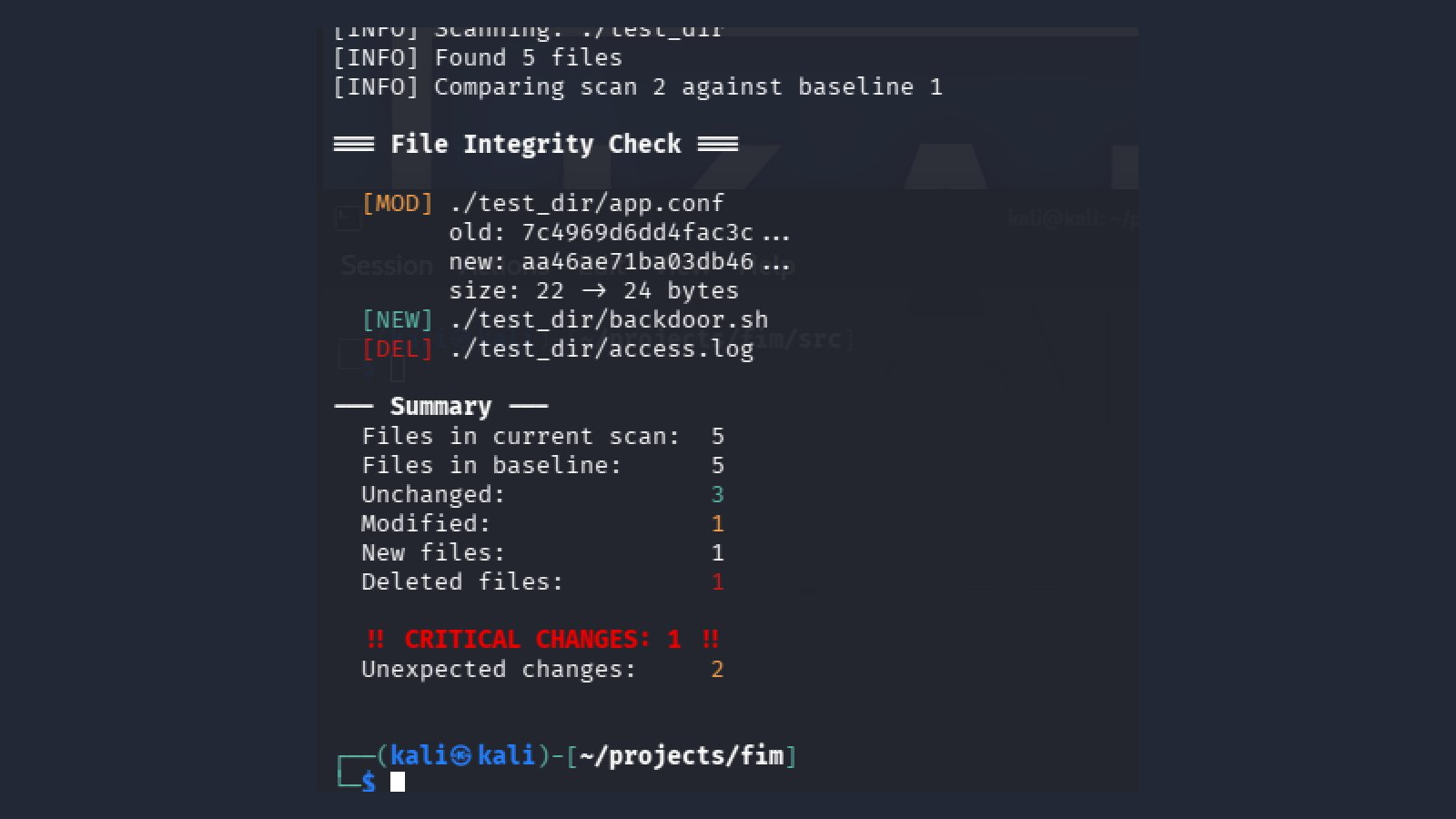
File Integrity Monitor
A command-line tool that monitors directories for unauthorized changes. Uses SHA-256 via OpenSSL to hash files and stores results in a local SQLite database. Detects modifications, additions, and deletions between scans, classifies changes by severity including critical paths like
.confand.pem, and logs every action with a timestamp and username for accountability.- C
- SQLite
- OpenSSL
- SHA-256
- Linux
Featured Project
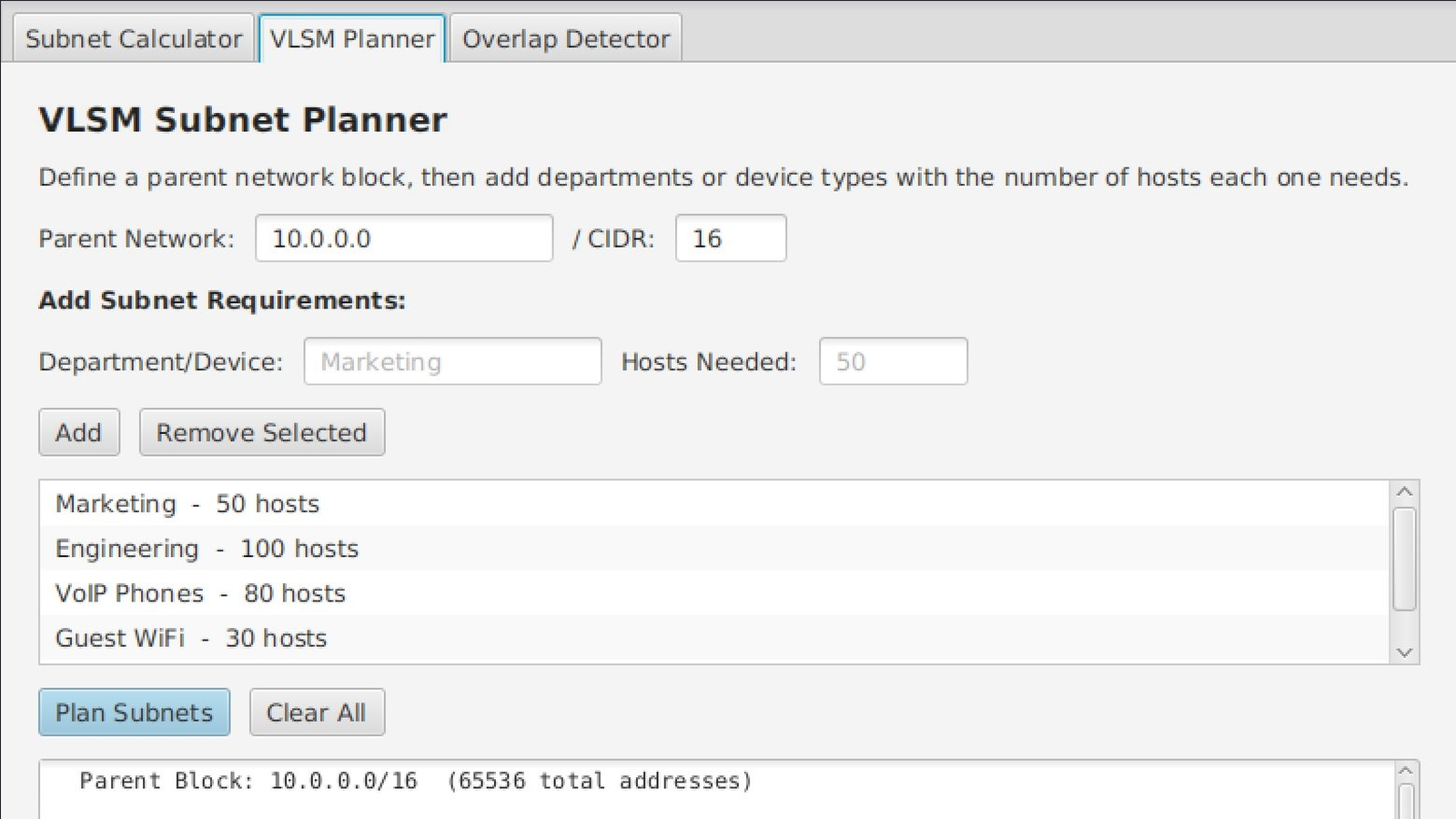
IPv4 Subnet Calculator
A desktop application for IPv4 subnet calculations, VLSM planning, and overlap detection. Takes a parent network block, lets you define departments and device types by host count, and allocates the smallest fitting subnet for each. Useful for real network design. A third tab detects whether two CIDR ranges are disjoint, overlapping, identical, or nested.
- Java 21
- JavaFX
- OOP
Featured Project
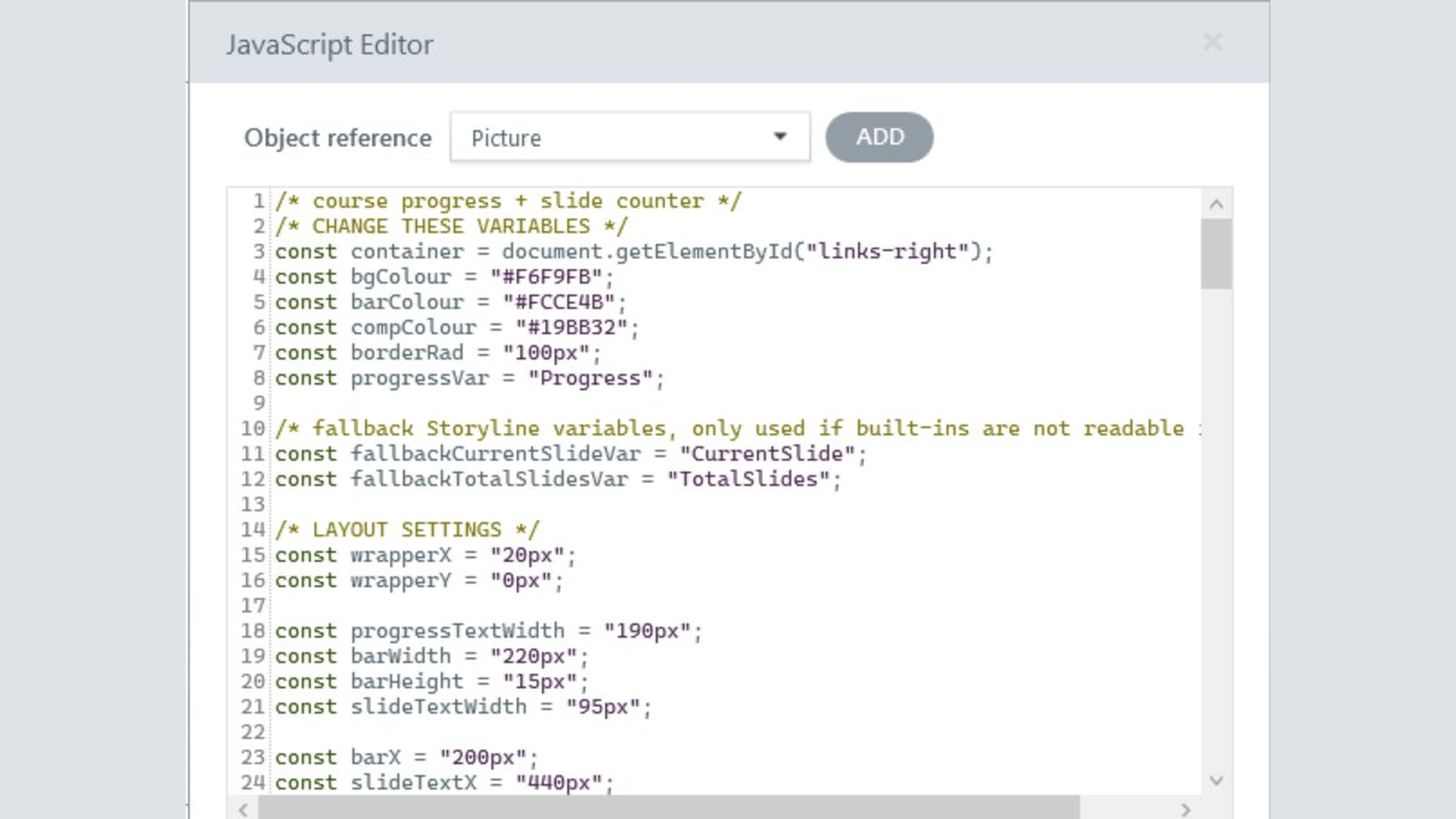
Articulate JavaScript Tools
JavaScript scripts for extending Articulate Storyline 360 and Rise 360 beyond what the platforms support natively. Each script targets a specific gap in the authoring tools, covering things the player can do with a bit of DOM access or SCORM API interaction that would otherwise require custom development. All Storyline scripts run as Execute JavaScript triggers on the Slide Master.
- JavaScript
- Articulate Storyline 360
05.Other Projects
x86 Assembly System Fingerprinter
A 32-bit NASM assembly program that retrieves kernel and system metadata using the Linux uname system call (int 0x80). Displays kernel name, hostname, release, version, and machine architecture directly from OS internals - no high-level libraries used.
- NASM
- x86 Assembly
- Linux
Student Honor Society Eligibility System
Java application that reads student records from a file, applies object-oriented inheritance across Undergraduate and Graduate subclasses, calculates GPA thresholds using type-safe arithmetic, and determines honor society eligibility. Built with encapsulation, exception handling, and clean separation of class responsibilities.
- Java
- OOP
- File I/O
- Inheritance
CTF Write-Up - Metasploitable
Completed 10 CTF challenges across multiple categories including exploitation, forensics, and cryptography. Solved challenges using Metasploit to exploit vsFTPd 2.3.4, MD5 hash reversal via command line, and Base64 decoding. Documented strategies, tools, and lessons learned.
- Kali Linux
- Metasploit
- Forensics
- Base64
- MD5
Penetration Test Report
Conducted a full penetration test against a Metasploitable target for a simulated client engagement. Exploited a Samba 3.0.20 vulnerability via Metasploit's usermap script to achieve root access and perform data exfiltration, following a prior network discovery phase that identified 32 open ports and services.
- Kali Linux
- Metasploit
- Nmap
- SMB Exploitation
Network Vulnerability Scan
Performed network discovery on a Metasploitable system using Nmap, Zenmap, and OpenVAS. Identified 32 open ports, documented service versions, assessed risk levels, and delivered a professional report with prioritized remediation recommendations for the simulated client.
- Nmap
- Zenmap
- OpenVAS
- Kali Linux
Cloud Migration Proof of Concept
Built a proof-of-concept Virtual Private Cloud on AWS to evaluate cloud migration viability for a simulated company expansion. Configured subnets, security groups, and a web server instance. Accompanied by an executive summary comparing AWS, Azure, and GCP across IaaS service and hybrid deployment models.
- AWS
- VPC
- EC2
- Cloud Infrastructure
06.Get In Touch
I'm open to conversations about cybersecurity, instructional design, or research. If you'd like to connect, feel free to reach out.
Send a message